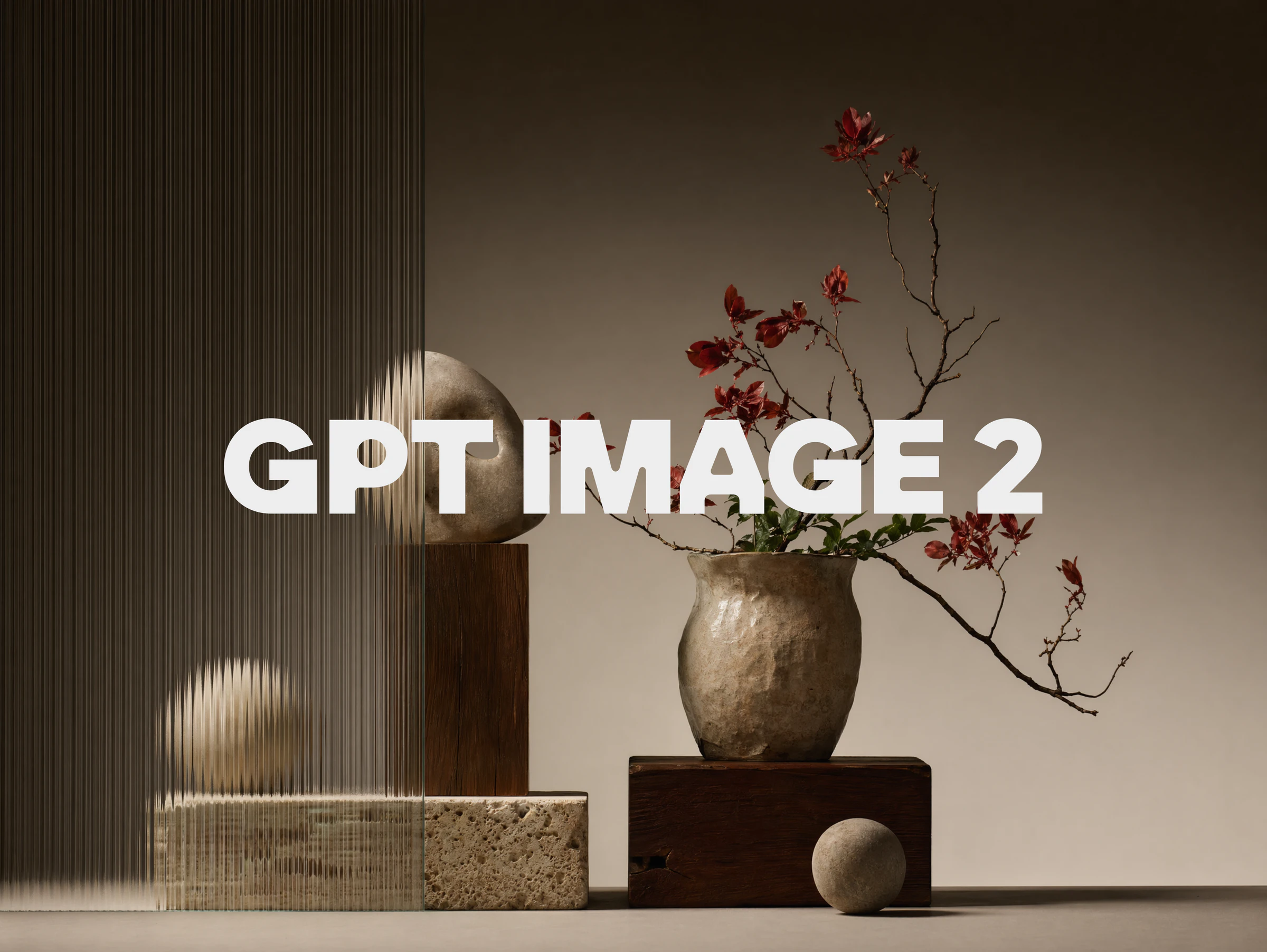
AI Art Styles Explained: A Visual Guide With Examples
How To, Insights | Published on
18 min
Try prompting something simple without mentioning the style, like a handbag on a pedestal. The model will still give you something, but it’ll make assumptions. Most likely, it’ll default to photorealism or a CGI-style render, depending on what it’s seen the most in training. It won’t feel random, but it also won’t be fully yours.
Now try pixel art. Or a Studio Ghibli-style background painting. Or a futuristic look. The same scene changes, the atmosphere shifts, and the image speaks in a more deliberate tone.
Style helps the model narrow its response and brings the output closer to what you actually had in mind when you wrote the prompt.
In this guide, we’ll look at the most popular AI art styles, where they come from, what they’re good at, and how they help you create with more clarity.
What Are AI Art Styles?
AI art styles are shorthand for how an image looks and feels. They influence everything from texture and color to composition, lighting, and even the emotional tone of a scene. When you include a style in your prompt—like digital painting, anime, or pixel art—you’re setting the visual context the model should work within.
Some styles are based on traditional media, like watercolor or oil paint. Others come from pop culture or entertainment, like comic books, fantasy concept art, or 3D animation. And a few have evolved inside the models themselves—hybrid looks that don’t map cleanly to any real-world genre but still feel consistent.
There are different ways to group and name these styles, and you’ll see different categories depending on the platform you’re using or who you’re speaking to. In this blog, we’re focusing on the most widely used styles across the community. The goal is to help you build a clearer language around style, so you can write better prompts, get more consistent results, and choose the look that actually fits what you’re trying to make.
Photorealistic (Realism) Style
Characteristics
Photorealistic AI art aims to produce images indistinguishable from real photographs. It features meticulous detail, accurate lighting and shadows, realistic textures, and lifelike human or natural forms.
Often called “photorealism” or simply “realism,” this style uses high-resolution outputs and advanced model training to achieve authenticity—from convincing human faces to crisp landscapes. The results typically have the depth of field, color tone, and clarity of professional photography.
Images generated with Leonardo.Ai using the using the Lucid Origin model
Origins and Influence
This style is essentially an AI extension of photography and hyperrealistic painting traditions. Early AI image generators struggled with true realism (often producing surreal or flawed images), but advances in AI models have made photorealism increasingly accessible and popular.
By 2023–2025, AI models greatly improved at generating crisp, detailed images, sparking a boom in photorealistic AI art. This has influenced the broader art space, blurring lines between real photos and AI imagery, and raising discussions about authenticity.
Still, photorealistic style remains highly dominant due to its broad appeal and the wow-factor of “AI photos” that look real. Our Leonardo.Ai community loves this art style, and we’ve created a special tag to filter for photorealistic images:
Usage
Photorealistic style is popular for creating virtual photographs and mockups. Users generate realistic portraits, “photoshoots” of imaginary people, interior and architectural visuals, or product concept images.
For example, marketers might prototype advertisements with AI-generated photorealistic models, and game or film artists use it for concept visualization. Landscapes in this style are used as concept art or backgrounds. Portraits and scenery are especially common subjects.
To get the best results when generating photorealistic images, we recommend using the Lucid Origin model on the Leonardo.Ai app:
Cinematic Style
Characteristics
The cinematic style in AI image generation is designed to emulate the visual language of film. These images are composed as if they were still frames from a movie, with an emphasis on mood, pacing, and visual storytelling. Common features include dramatic lighting, shallow depth of field, realistic camera framing, and strong environmental atmosphere.
Subjects are often positioned with the same logic used in cinematography—framed in medium shots, close-ups, or wide landscape compositions with foreground or background separation. Color grading plays a key role as well, often echoing genre-specific palettes (such as cool tones for sci-fi, warm tones for drama, or muted greens for dystopia). The result is imagery that feels narrative even when static, often evoking a sense that something just happened—or is about to.
Images generated with Leonardo.Ai using the model Lucid Realism
Cinematic AI art is heavily influenced by visual storytelling from film, television, and games. Prompt language often mirrors the terminology of cinematographers and directors, referencing shot types (“locked-off wide shot,” “over-the-shoulder”), lighting setups (“rim-lit,” “soft key”), and tonal framing (“moody,” “tense,” “quiet character moment”).
This style has deep roots in the visual development work done for films, especially storyboarding and key art. Many cinematic-style prompts blend influences from photography, film concept art, and modern visual storytelling, resulting in a hybrid look that sits between realism and stylization.
Usage
AI-generated cinematic art is widely used in storyboarding, pitch development, and moodboarding. Creators use it to visualize scenes, plan video sequences, or simulate the tone of a narrative before production begins. Writers, filmmakers, and designers often use cinematic prompts to generate specific moments—such as a lone figure walking down a road at dusk, or a slow dolly-in on a quiet conversation.
The style also appears frequently in social media, where users post AI-generated “frames from imaginary films,” often with made-up titles or scenes from nonexistent stories. This format has proven especially engaging because it blends fictional worldbuilding with visual credibility. In short, cinematic style is one of the most flexible and widely adopted styles in AI art today—used by both professionals and hobbyists to explore mood, framing, and visual storytelling without needing to animate a single frame.
Inside the Leonardo.Ai app, we recommend generating cinematic AI images using the Lucid Realism model:
Anime Style
Characteristics
The anime style is inspired by Japanese animation and manga. Images feature vibrant colors, stylized characters with exaggerated features (like large expressive eyes), dynamic poses, and often clean linework.
There is a wide range within anime—from cute “chibi” characters with oversized heads to action-packed cinematic scenes—but overall the aesthetic emphasizes bold 2D cartoon visuals and emotional expression.
Images generated with Leonardo.Ai using the models GPT-Image-1 and Lucid Origin
Origins and Influence
The anime style draws directly from Japanese pop culture—decades of anime TV, films, and manga comics. Its global popularity in recent years fuels the high demand for AI-generated anime art. Culturally, it’s rooted in the traditions of studios like Ghibli or artists from Osamu Tezuka to modern manga creators.
This style’s popularity has influenced AI communities to produce countless anime-specific models and prompts, making it one of the dominant aesthetics in AI art generation. The anime style is so popular in our Leonardo.Ai app that we’ve added a special “Anime” filter for people to browse community creations:
Usage
Anime-style AI art is immensely popular for character portraits, fan art, and avatars on social media. Many users enjoy turning their photos into anime or Ghibli-like characters. In fact, a viral 2025 trend had millions transforming selfies into Studio Ghibli-inspired portraits—dreamy, hand-painted anime images that flooded Instagram, TikTok, and Twitter. This style is frequently used for profile pictures, storytelling comics, or just for fun, given anime’s broad fandom.
You’ll get the best anime results inside the Leonardo.Ai app by using the versatile Lucid Origin model (be sure to include “anime” in your prompt). For Ghibli-style images, we recommend using the GPT-Image-1 model.
Sci-Fi & Cyberpunk Style
Characteristics
Science fiction-themed art in AI spans futuristic technology, space settings, and cyberpunk cityscapes. A particularly popular variant is the cyberpunk style—gritty, neon-lit urban dystopias inspired by works like Blade Runner. These images have high-tech elements (cyborgs, robots, holograms), moody futuristic city streets with glowing neon signs, and often a contrast between dark shadows and vibrant neon colors.
Another aspect of sci-fi art includes sleek starships, alien planets, and cosmic vistas. The general sci-fi style uses a cooler or high-contrast palette and dramatic perspectives to evoke awe or tension. In cyberpunk specifically, one finds a mix of modern noir and Japanese anime influences (think Ghost in the Shell or Akira), with characters in techwear or augmented with cybernetic parts.
Images generated with Leonardo.Ai using the model Lucid Origin
Origins and Influence
Sci-fi art has a long tradition, from classic illustrators of Amazing Stories magazine covers to concept artists designing for Star Wars and modern video games. Cyberpunk art specifically grew out of the 1980s literary genre (William Gibson’s Neuromancer) and films like Blade Runner, developing a distinct visual style that mixes futurism with grime.
Early neural nets were sometimes used to generate abstract futuristic imagery, but it was the diffusion models and GANs that really allowed detailed sci-fi scenes. By 2025, AI art trends embrace retro-futurism and cyberpunk heavily.
For instance, one noted trend is “Cyberpunk Neon,” which is popular in gaming and digital art circles. This style’s popularity reflects nostalgia for retro 80s futurism combined with today’s tech culture.
In short, sci-fi and cyberpunk are highly influential styles in AI art, continually evolving with new innovations (for example, mixing cyberpunk with other styles like Ukiyo-e or Art Deco in prompts to create novel fusions). Our community also creates many images in this style, so we’ve added a special sci-fi filter inside the Leonardo.Ai app:
Usage
AI-generated sci-fi art is frequently used for concept designs in games and films, as well as by enthusiasts who love the aesthetic. Cyberpunk city scenes and futuristic portraits are common on AI art forums—e.g., a neon-soaked back alley with a lone android, or a hacker surrounded by holographic interfaces. These make striking visuals for posters, album covers (synthwave music albums often use such art), or simply social media sharing.
The style also appears in NFT art collections, given its eye-catching, high-tech look. Gamers use sci-fi style images as inspiration for sci-fi RPGs or as avatars. Overall, the bold cyberpunk aesthetic has been dominating much of the sci-fi AI art content, often marked by tags like “cyberpunk neon” in prompts.
While you can use various models to generate sci-fi art, we recommend using the versatile Lucid Origin model inside the Leonardo.Ai app.
Digital Painting & Concept Art Style
Characteristics
The digital painting style refers to artwork that looks like it was painted or illustrated digitally, akin to concept art found on ArtStation or in video game design. It often features painterly brushstrokes (sometimes visible if mimicking oils or watercolor), rich blending of colors, dramatic lighting, and a high level of detail.
Commonly, these images have a fantastical or imaginative quality, depicting mythical creatures, futuristic cities, or detailed character designs. The compositions tend to be dynamic and cinematic, reflecting the influence of sci-fi art and illustrative concept art.
Images generated with Leonardo.Ai using the model Lucid Origin
Origins and Influence
This style is rooted in traditional painting (oil, acrylic, etc.) but more directly in the modern concept art and illustration industry. Influences include fantasy art legends (like Frank Frazetta, who painted Conan and other heroes) and contemporary digital artists.
In the AI world, this style surged in popularity around 2022: users discovered the models could mimic famous digital painters, leading to controversy when artists like Rutkowski saw their style reproduced without consent. Indeed, Rutkowski’s name was used in AI prompts over 400,000 times, more than even “Picasso,” symbolizing how much AI art leaned on the digital painting aesthetic.
All this underscores that digital painting and concept art remains a staple style in AI image generation, influential in shaping the quality and detail people now expect from AI art.
Usage
This style is widely used for concept art, book covers, and fantasy/sci-fi illustrations. AI-generated digital paintings are popular among game developers and authors to visualize characters or worlds. They’re also shared across art communities for their beauty—think dragons, wizards, spacecraft, or elaborate scenery suitable for a novel cover.
While you can generate digital paintings and concept art with various models, our recommendation is to use the Lucid Origin model in the Leonardo.Ai app.
Fantasy Art Style
Characteristics
Fantasy art is a beloved subgenre of illustration focused on mythical or magical themes. AI-generated fantasy art usually depicts epic otherworldly scenes: grand medieval-esque landscapes, heroic characters like knights, wizards or elves, and legendary creatures (dragons, unicorns, etc.).
The style often features dramatic, high-contrast lighting (rays of sunlight in enchanted forests, or glowing magic effects), intricate costumes or armor, and a “larger-than-life” atmosphere. Colors might be rich and vibrant, emphasizing the fantastical elements. Overall, it aims to transport the viewer to an imaginary realm, with a detailed, often painterly style (closely tied to the digital painting aesthetic, but defined by its subject matter).
Images generated with Leonardo.Ai using the model Lucid Origin
Origins and Influence
Fantasy art as a genre has roots in ancient mythology and folklore, but as a visual style it solidified in the 20th century through illustrators for fantasy literature. Influential figures include J.R.R. Tolkien’s illustrators and artists like Frank Frazetta (known for Conan the Barbarian paintings) and John Howe. These set the visual language of heroic quests and mystical lands.
Their legacy influences AI outputs—many prompts reference specific fantasy artists or well-known franchises. Earlier AI trends included style-transfer applying classic fantasy art styles, but the real influence came as AI models learned from the vast troves of fantasy artwork online.
By 2025, fantasy art remains central in AI image generation, blending with AI’s capacity to mash up imaginative concepts. It’s noteworthy that the fantasy style itself has sub-styles (dark fantasy, high fantasy, gothic fantasy, etc.), and AI tools can cater to these nuances. Overall, fantasy art is both an earlier influence and a continuously dominant style in the AI art space.
Usage
Fantasy style AI art is popular for book covers, game art, and personal creativity. Authors use it to visualize novel cover art or characters; tabletop gamers generate scenes of their campaigns; and many hobbyists create fantasy portraits. It’s also big in NFT art and concept art contests.
The style is commonly seen on art platforms where AI users share images of castles, dragons fighting warriors, mystical landscapes, etc. The resurgence of fantasy media (e.g. Game of Thrones, popular RPG video games) keeps this style in demand.
While you can use various models to generate fantasy AI art, we recommend using the Lucid Origin model inside the Leonardo.Ai app.
Western Cartoon & Comic Style
Characteristics
Beyond anime, AI can also generate art in a Western cartoon or comic book style. This category includes everything from classic 20th-century cartoon looks (bold outlines, flat colors) to modern graphic novel aesthetics (halftone shading, comic panel style).
These images are typically playful and exaggerated; characters might have simplified features or humorous proportions. Colors are often bright and solid, and line art is clean. In comic-style outputs, one might see speech bubbles or panel arrangements, and stylized text, imitating the look of comic strips or superhero comic art.
Images generated with Leonardo.Ai using the model Lucid Origin
Origins and Influence
This style is drawn from Western animation and illustration history—from newspaper comic strips to Marvel/DC comic art and Saturday-morning cartoons. Early AI style-transfer experiments could apply comic book filters to images, but now generative models can produce original cartoon scenes.
This style is deeply ingrained in popular use, partly because it’s fun and accessible. It continues to grow with AI tools now able to simulate specific comic artists or animate-like sequences, appealing to both casual users and professional illustrators looking to prototype ideas—to learn more, check out our guide on storyboarding with AI.
Usage
Cartoon-style AI art is popular for avatars, memes, and children’s content. Users create cartoon versions of themselves or generate new cartoon characters for fun. It’s also used in storyboard visualization—for instance, quickly drafting a comic scene or an illustration for an article.
Social media sees a lot of cartoon selfies and comic-style memes (turning a photo into a comic panel, etc.), because the format is eye-catching and approachable. Some educators and marketers use AI cartoons for explainer graphics or infographics, since the style can simplify complex ideas into friendly visuals.
Overall, the versatility and broad appeal of cartoons mean this style is widely utilized. In fact, its versatility is a reason it remains trending for social media content and marketing.
While you can use various models to generate cartoon and comic AI art, we recommend using the Lucid Origin model inside the Leonardo.Ai app.
CGI & 3D Rendered Style
Characteristics
The 3D render style refers to images that look like CGI (computer-generated imagery) or 3D art, as opposed to flat 2D drawings. These images have realistic depth, shading, and often a smooth, polished look as if created in a 3D modeling software.
A common thread is the presence of simulated lighting effects (like reflections, shadows) and sometimes a slight “plastic” or clay texture on subjects if mimicking claymation or figurines. In essence, the style makes the AI output appear as if it’s a snapshot of a 3D model or animation frame.
Images generated with Leonardo.Ai using the model Phoenix 1.0
Origins and Influence
This style stems from the CGI revolution in movies and video games. Early on, generative models were mostly 2D-focused, but as they trained on more diverse art, they learned to mimic 3D lighting and perspective.
For instance, prompts including phrases like “3D render” or “Octane render” became common to achieve that look. The influence of specific mediums (like clay or plastic models) also led to sub-styles (e.g. “claymation style” AI images). By now, 3D-rendered style images are common, and AI art trends even blend them with others (imagine a “3D anime figure” style, combining two popular looks).
The popularity of this style is growing, especially in advertising and design, as AI can quickly produce near-professional CGI-like visuals without the need for actual 3D modeling. It exemplifies how AI art straddles the line between traditional artistry and computer graphics.
Usage
This style is popular for toy design, character design, and product visualization. For example, creators generate adorable 3D characters or mascots. Whimsical 3D figures with vibrant colors often appear in marketing visuals and digital art displays because they grab attention.
The 3D style is also used for architecture and interior design previews—an AI image might show a room or building as if it were a 3D render. Additionally, some use it for concept art of sculptures or installation art. In 2025, one trend in this vein is “Playful 3D Art”—creating cute, dynamic 3D scenes that feel joyful and engaging. This has been seen in everything from promotional graphics to NFT collections of little 3D characters.
While you can use various models to generate 3d-rendered and CGI AI art, we recommend using the Lucid Origin model inside the Leonardo.Ai app.
Pixel Art & Retro Game Style
Characteristics
Pixel art style involves images rendered at a low resolution such that individual pixels are visible, recreating the look of 1980s–90s video game graphics. AI-generated pixel art typically uses a limited color palette and blocky shading. Despite the simplicity, good pixel art still conveys subject detail in a tiny grid of pixels.
Many such images are 8-bit or 16-bit retro in appearance—for example, reminiscent of old Nintendo or Sega game sprites. The style often includes stylized aspects like chiptune-era icons, simple geometric forms, and sometimes text or UI elements mimicking game screens. Overall, the charm of pixel art lies in its expressive minimalism and nostalgia.
Images generated with Leonardo.Ai using the model Lucid Origin
Origins and Influence
Pixel art originates from the technical limitations of early video game consoles and computers, which could only display low-resolution graphics. Artists turned those limitations into an art form. Iconic games like Super Mario Bros., The Legend of Zelda, or Pokémon defined the pixel art look that is now nostalgically emulated.
Modern diffusion models can produce surprisingly coherent pixel art on demand. The resurgence of retro gaming and “lo-fi” art trends has certainly influenced AI art—as noted, nostalgia for 8-bit aesthetics keeps this style trending. It may not be as dominant as photorealism or anime in sheer volume, but it’s a beloved niche.
Usage
Pixel art generated by AI is popular among gaming enthusiasts and for nostalgia-themed projects. People create pixel avatars or scenes that look like vintage game screenshots. It’s also used in indie game development as a starting point for sprites or background art.
On social media, one might see AI pixel art depicting modern concepts (say, a scene from a new movie) as if it were an old game. The style is used in digital decor, like retro-style GIFs or website graphics.
Because it invokes childhood memories for many, nostalgia is a big driver of interest in pixel art aesthetics. In 2025, even as AI tech is ultra-sophisticated, there’s a concurrent trend of embracing lo-fi and retro looks, so pixel art fits right in.
While you can use various models to generate pixel AI art, we recommend using the Lucid Origin model inside the Leonardo.Ai app.
Traditional & Classical Art Style
Characteristics
AI image generation can mimic traditional art mediums and historic art movements as well. This includes styles like oil painting, watercolor, charcoal sketches, or specific art movements (Renaissance, Impressionism, Art Nouveau, etc.). For example, an AI can create a portrait that looks like a Renaissance oil painting with cracked canvas texture and dramatic light, or a landscape that looks like an impressionist piece with visible brushstrokes.
The hallmark of this category is that the output visibly imitates a manual art technique (brushstrokes, pen and ink lines, etc.) or the stylistic decisions characteristic of a historical period (composition and color of Baroque, geometric patterns of Art Deco, etc.).
Images generated with Leonardo.Ai using the model Lucid Origin
Origins and Influence
Quite literally, the origin here is human art history. Early in the AI art timeline, the Prisma app (2016) and DeepArt allowed turning personal photos into faux paintings, which “brought style transfer to the masses” and made Van Gogh-esque selfies a fad.
These earlier trends influenced the trajectory of AI art by demonstrating public appetite for classic styles reimagined. In 2025, we even see revivals of vintage styles as trends—for example, Art Deco Revival (modern content with 1920s geometric elegance) is a popular AI art trend, combining nostalgia with contemporary flair.
Usage
These styles are often used by art enthusiasts to see modern subjects in a classic style (for instance, generating an image of a 2020s celebrity as if painted by Rembrandt). They’re also used in education and marketing to evoke a certain era or artistic prestige. Some designers might generate a logo or poster with Art Deco elements for a vintage vibe.
Neural style transfer, which became popular around 2016, allowed everyday users to apply famous art styles to their photos. This was an early form of AI art usage that introduced many to the idea of AI-created classical art. In the current generation, people still prompt AI for outputs like “watercolor illustration of X”, especially for creative projects that benefit from a timeless or artistic look.
While you can use various models to generate traditional and classical AI art, or experimental art, we recommend using the Lucid Origin model inside the Leonardo.Ai app.
Surreal, Abstract & Experimental Style
Characteristics
AI art also thrives at producing surreal and abstract styles that break the rules of reality. One facet is the surrealist style —dreamlike imagery with illogical scenes, melting forms, strange juxtapositions and symbolic elements. These images can be whimsical or disturbing, often with fluid, morphing shapes and a mix of realistic and impossible features.
Another facet is psychedelic art, characterized by extremely vibrant colors, kaleidoscopic patterns, and a “trippy” complexity reminiscent of hallucinations. AI is adept at psychedelic visuals, producing intricate fractal-like details and glow effects that give a mind-bending aesthetic.
We also see glitch art, which deliberately includes digital glitches: pixelation, VHS-style scan lines, color distortion, and noise, as if the image file was corrupted. This creates a modern, tech-influenced abstract style with an edgy vibe.
Origins and Influence
Surreal and abstract art predate AI by a century (the Surrealist movement of the 1920s, abstract expressionism, etc.). AI’s ability to merge concepts makes it naturally suited for surrealism—early neural art often resulted in strange, dreamlike outputs by accident. Google’s DeepDream is a key historical influence: it popularized the psychedelic computer-generated look and got mainstream attention.
Similarly, style transfer techniques applied Van Gogh or Picasso styles to photos, blending reality and art in abstract ways. These earlier techniques influenced artists to explore AI for creative distortion. Now in 2025, surreal/abstract AI art is a conscious trend—for example, “Pop Surrealism” (Lowbrow art with pop culture and surreal mix) is noted as a trending AI art style.
Glitch aesthetics come from the tech world and net art culture, and AI has adopted them as another texture or filter to apply. While these styles may not be as broadly popular as, say, anime, they are very significant in showing off AI’s creative potential and continue to grow within artistic communities.
Usage
These experimental styles are popular in avant-garde art circles, music visuals, and personal expression. Surreal AI compositions are used for album covers, posters, or simply shared as art that sparks conversation due to their thought-provoking nature.
Psychedelic AI art often appears in music videos or EDM concert visuals, thanks to its vibrant, energizing look. Glitch art is popular in graphic design for zines, album art (especially in synthwave or vaporwave music scenes), and gives an underground digital aesthetic.
Social media also sees users posting AI-generated “AI dream” images, continuing the tradition from Google’s DeepDream in 2015. In fact, one of the first AI art viral hits was Google’s DeepDream producing surreal images that went viral in 2015.
While you can use various models to generate surreal, abstract, or experimental AI art, we recommend using the Lucid Origin model inside the Leonardo.Ai app.
Final Thoughts
You don’t need to master every style in this list, but knowing they exist—and what they’re good at—helps you create with more intention. Whether you’re prompting for fun, concept work, or creative production, picking a style tells the model what kind of world you’re trying to build.
Some styles are clean and cinematic. Others are chaotic, nostalgic, abstract, hyperreal. Each one brings its own vocabulary and constraints. The more familiar you get with how they behave, the easier it becomes to push or break the rules.
If you’re not sure where to start, go on Leonardo.Ai, pick one style and get to know it. Run the same prompt through multiple styles and see what changes. Keep the subject fixed. Watch how color, depth, and framing shift. That’s where the learning happens—and where the best images often come from.
RelatedArticles
remove.bg API is Moving to Leonardo.Ai
remove.bg's background removal API has joined Leonardo.Ai, also part of Canva. Everything you do today with the remove.bg API, you can do on Leonardo, plus upscaling, scene generation, and more.
The 6 Best Google Flow Alternatives to Try (Free & Paid)
Google Flow puts Veo 3.1 in a slick AI filmmaking studio, but its credit system is steep, allowances don't stretch far, and you're limited to Google's own models. Here are the six best Google Flow alternatives, including options that offer Veo itself alongside the rest of the latest state of the art video models.
ImagineArt vs Leonardo.Ai: Features, Price & Performance Compared
ImagineArt and Leonardo.Ai look similar at first glance: both put a collection of AI image and video models behind one interface. The differences show up in what surrounds those models — creative control, editing workflow, 3D and audio generation, team features, and pricing. Here's how the two platforms actually compare.