Case Study: Lester Francois: Reimagining Advertising Through AI
Case Studies, Insights | Published on
4 min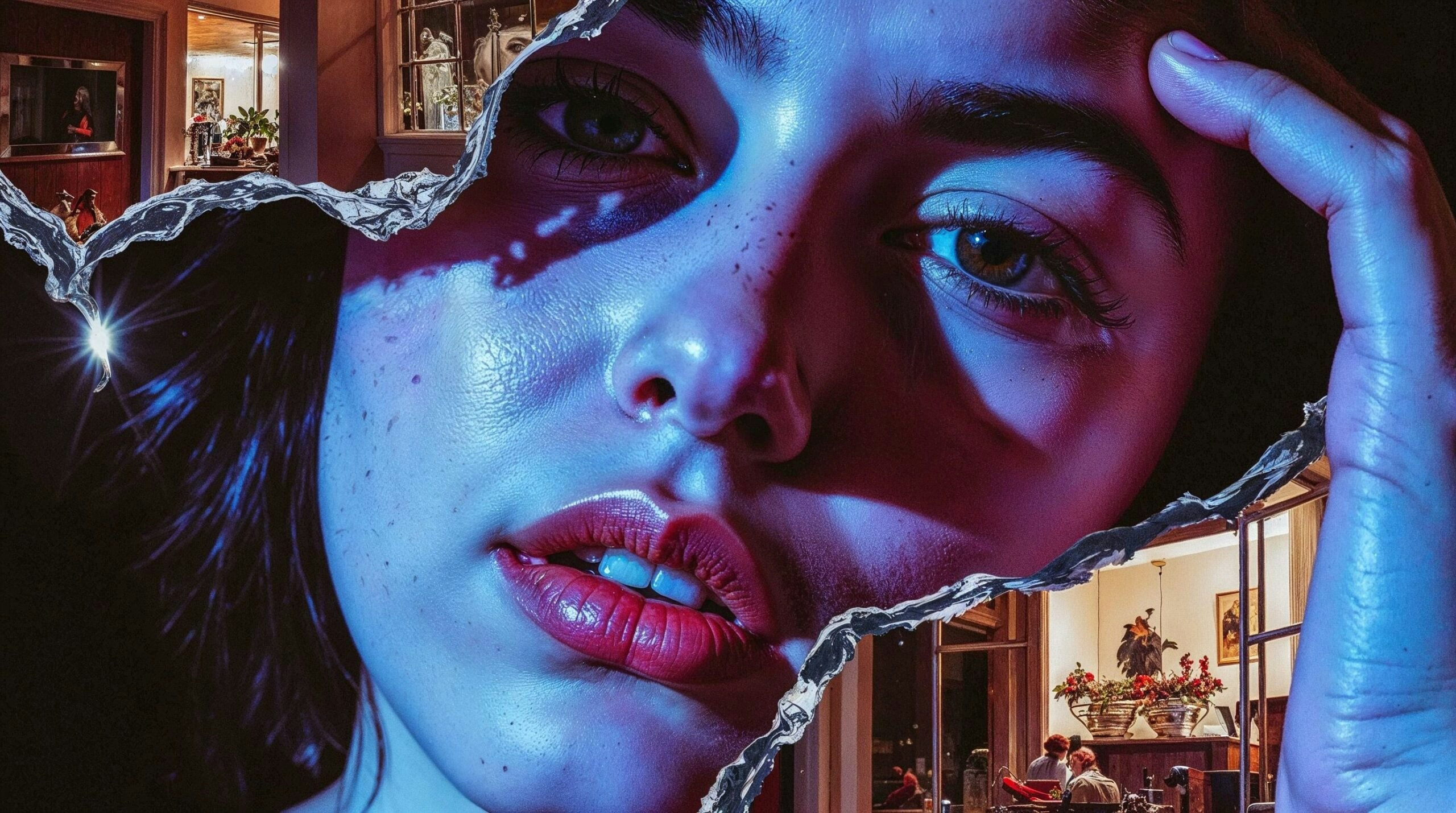
A Filmmaker’s Curiosity Meets a New Creative Era
Wondering how to film a cyberpunk dreamworld without a crew, location, and budget? AI, not better equipment, was the solution for Melbourne filmmaker Lester Francois.
He started out making commercials for brands like Becks and Vodafone. Now he’s a freelance AI creative director, using Leonardo.Ai to make his ideas real.
“I’ve always been fascinated by the technology of storytelling,” he says. “AI finally lets me take ideas that once lived only in my head and actually bring them to life.”
The Shift: From Camera to Code
The pandemic lockdowns became an unexpected catalyst. It was during this time that Lester discovered early AI art tools like VQGAN+CLIP (an early text-to-image generators that preceded today’s platforms). What began as experimentation became his go-to medium.
He had been creating trailers, storyboards, and shorts for years. But AI allowed him to visualize concepts more quickly, to experiment with tone and style.
“As a filmmaker, I get dozens of ideas every day. We can’t film everything we imagine, but with AI I can develop an idea from home, test it, refine it, and sometimes pitch it as a real film.”
Using Leonardo.Ai, Lester now whips up visual prototypes of his ideas. He designs worlds and settings that he might turn into real-life or mixed-media projects later.
“Leonardo is a creative playground where stills become motion, and sketches become stories,” he says. “I can iterate and move seamlessly through different stages of development in one place.”
Storytelling With Subtlety
For skincare brand Sudocrem, Lester helped craft a campaign that blended cinematic beauty with pharmaceutical clarity. He used Leonardo to play around with “cinematic warmth”, making a bunch of images that set the look. These AI-made pictures helped nail down the vibe and guide the photography and videos that came later.
“We treated it like a live-action pharmaceutical ad: beautiful cinematography and meticulous art direction, but created it entirely with AI,” says Francois. “I knew the look I wanted and how to achieve it in Leonardo, collaborating closely with our art director.”
The result was a campaign that felt both authentic and elevated, without a single shot filmed.
Big Laughs, Small Budget
In collaboration with Creativa, Lester used AI to create a humorous, high-energy conference video for Clarke Energy—complete with office mayhem and a mariachi band. “It would have been incredibly expensive to shoot traditionally. AI allowed us to create something wild, polished, and hilarious for a fraction of the cost.”
The video became a conference highlight, proving to the client that AI could deliver premium production value at startup speeds.
A Look at the Future
Lester is currently creating Chiba City, an interactive cyberpunk narrative experience that combines AI art, gaming, and film. The project’s small team prototypes environments and characters incredibly quickly thanks to the Leonardo API, which enables him to create images automatically from within game engines like Unity.
Additionally, he is developing AI social media videos for HTC’s Viverse, an open, browser-based metaverse—or virtual world—where creators can build, share, and explore immersive 3D spaces from any device.
Industry Response: Brands Catching Up
Lester has noticed a distinct shift in client sentiment. While major brands initially approach AI with caution, their curiosity is rapidly overtaking their fear.
“The conversation is changing,” he notes. “Clients come in wary of a robotic, generic look. My role is to guide them past that fear, to show how AI can be a bespoke tool that amplifies their unique brand voice, all while keeping human creative intention at the forefront.”
He thinks that “humans in the loop” make for the best results, where AI uplifts craft rather than replaces it. This means that he is firmly in charge of ongoing curation and art direction, making careful decisions regarding composition, mood, and story.
His approach directly addresses the core client concern: that automated content might look perfect but feel empty.
A New Creative Language
Lester thinks AI gives us a fresh perspective, not just a fast fix. “There’s something alien and fascinating about AI imagery. It’s shaping new aesthetics that younger audiences instinctively get.”
He likens this change to the emergence of independent game studios, small, flexible teams that produce impactful experiences outside of the established players. “AI gives small studios and freelancers the same visual firepower as big agencies, but with the freedom to take creative risks.”
This democratization matters deeply to Lester. It’s an answer to the question that haunts all filmmakers: how do you effectively capture what is in your imagination? The typical constraints of finances, logistics, and physics matter less than they once did.
Looking Ahead: Curiosity as Creative Lead
From pandemic lockdown to cyberpunk worlds, Lester Francois has rewritten his creative playbook—not by abandoning filmmaking craft, but by giving it new tools. People in the industry are still trying to decide if AI is something to be scared of or something cool, but he’s already decided. It just helps as a sounding board, an extra valuable partner in the process.
“AI doesn’t replace creativity. It expands it. The tools will keep evolving, but storytelling never goes out of style.”
And the best conversations, he reckons, always begin with: “What if?”
RelatedArticles
The 6 Best Google Flow Alternatives to Try (Free & Paid)
Google Flow puts Veo 3.1 in a slick AI filmmaking studio, but its credit system is steep, allowances don't stretch far, and you're limited to Google's own models. Here are the six best Google Flow alternatives, including options that offer Veo itself alongside the rest of the latest state of the art video models.

ImagineArt vs Leonardo.Ai: Features, Price & Performance Compared
ImagineArt and Leonardo.Ai look similar at first glance: both put a collection of AI image and video models behind one interface. The differences show up in what surrounds those models — creative control, editing workflow, 3D and audio generation, team features, and pricing. Here's how the two platforms actually compare.

Leonardo’s Dwayne Koh on the way AI is evolving as a creative partner